Japan Company Trip 2025

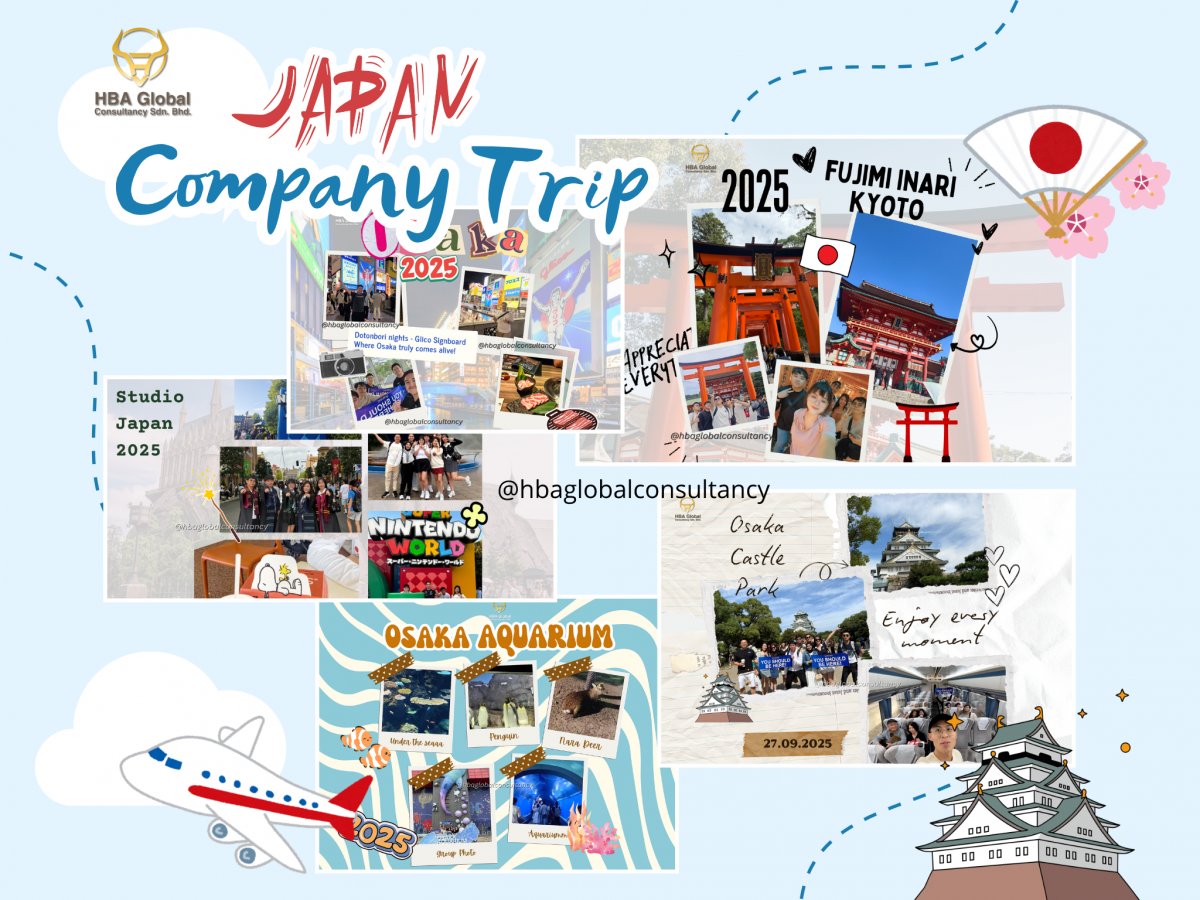
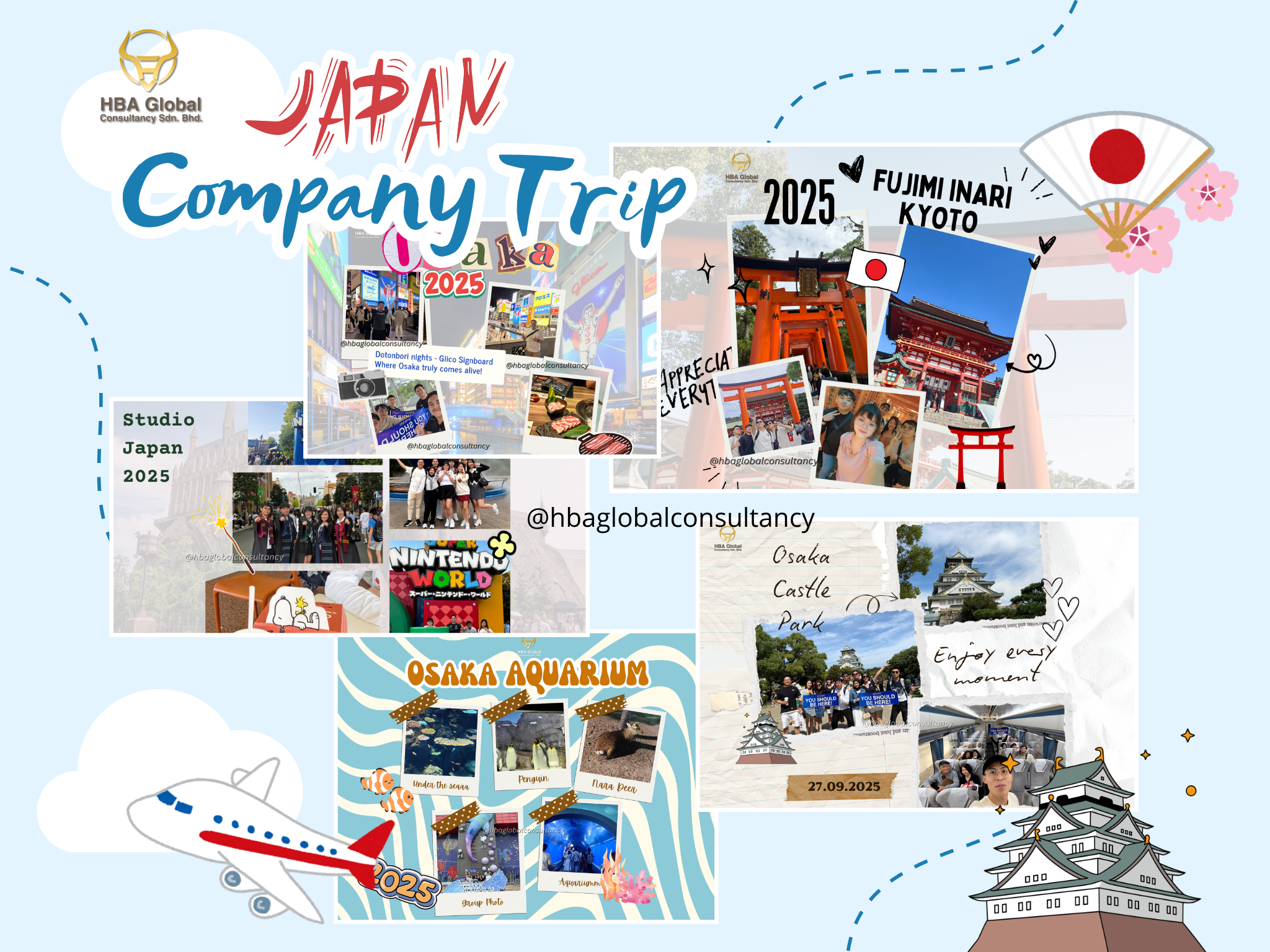
In 2025, the HBA team embarked on an unforgettable company trip to Japan — a journey filled with exploration, appreciation, and shared experiences beyond the workplace.
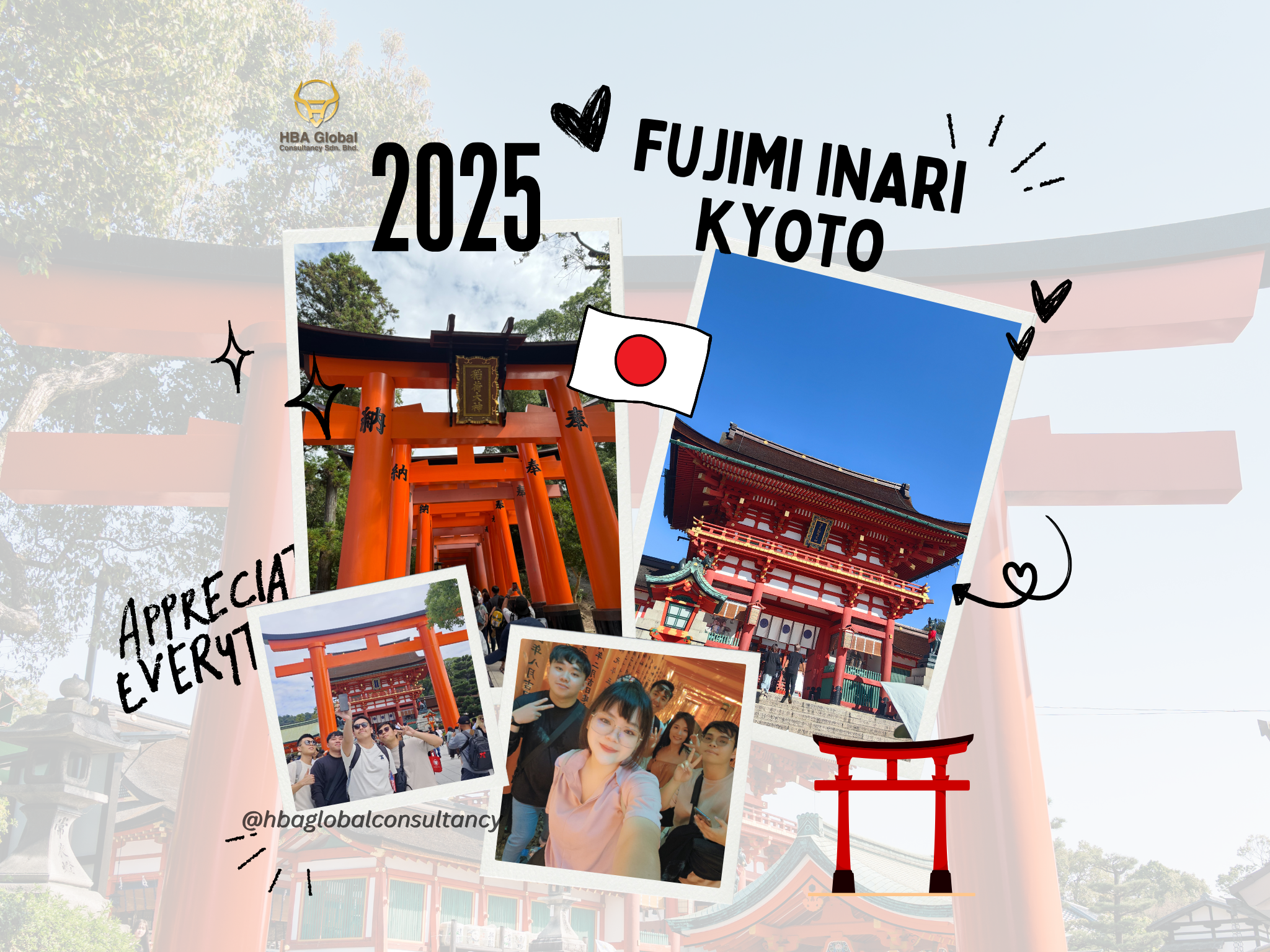
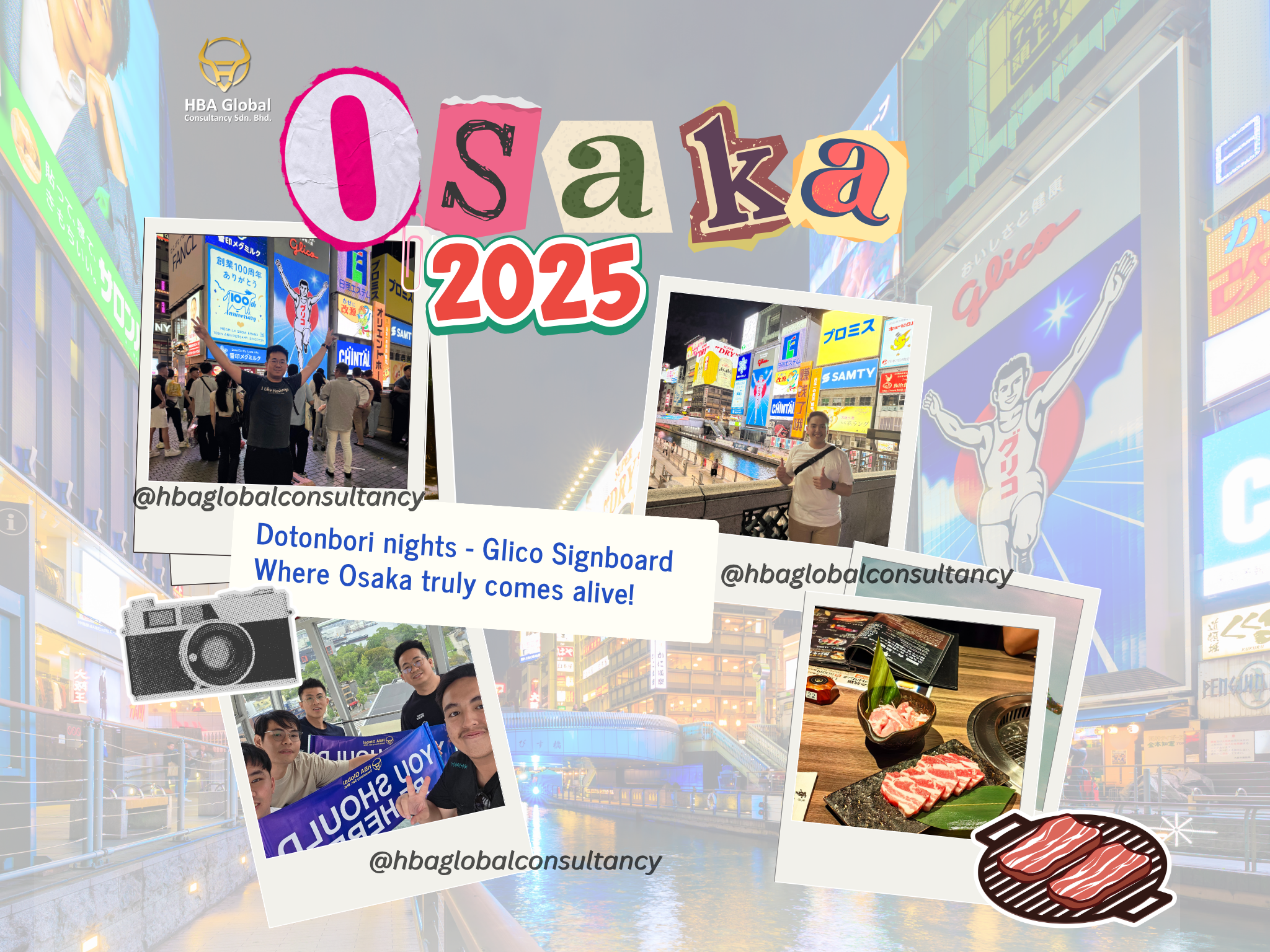
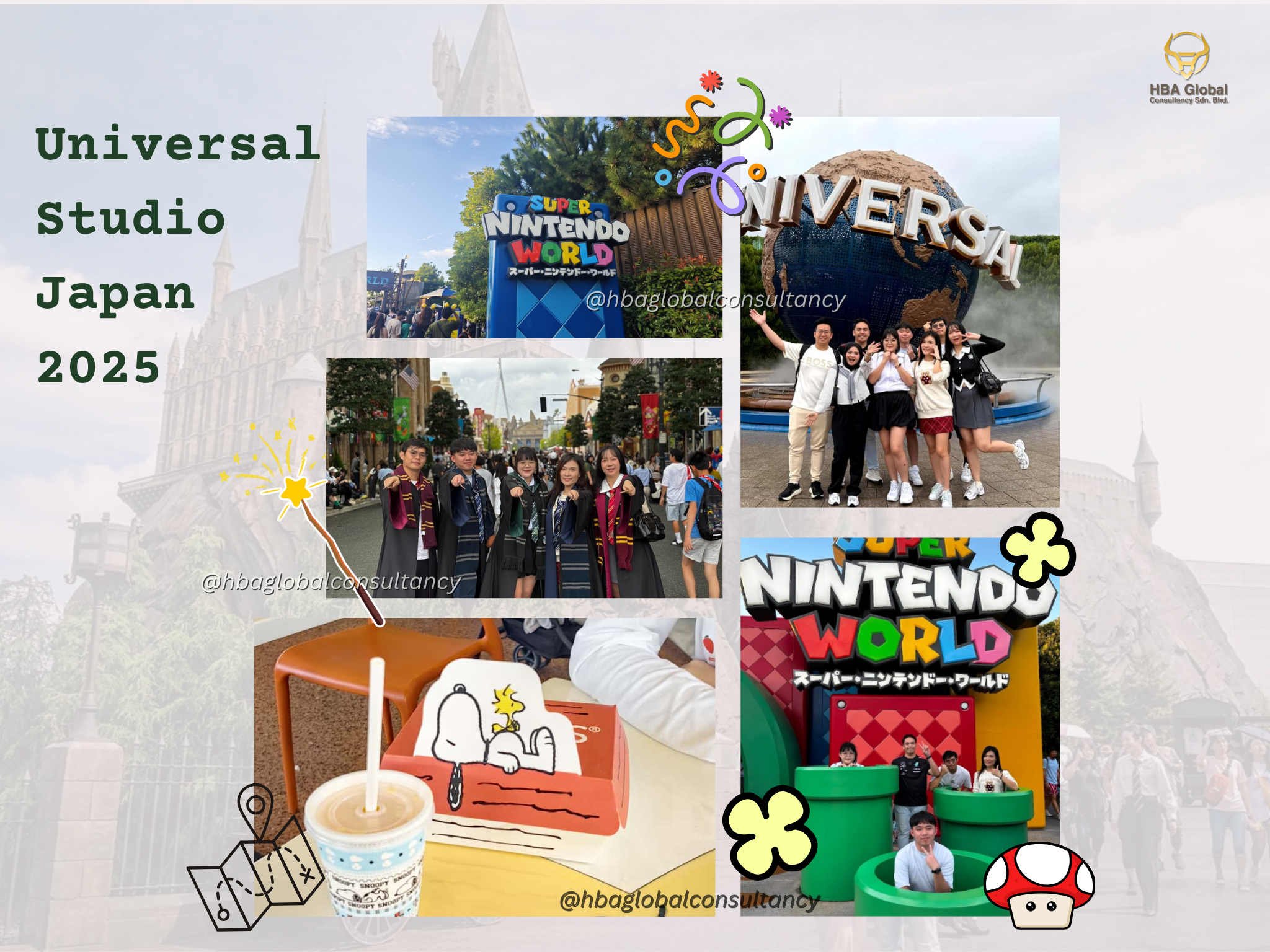
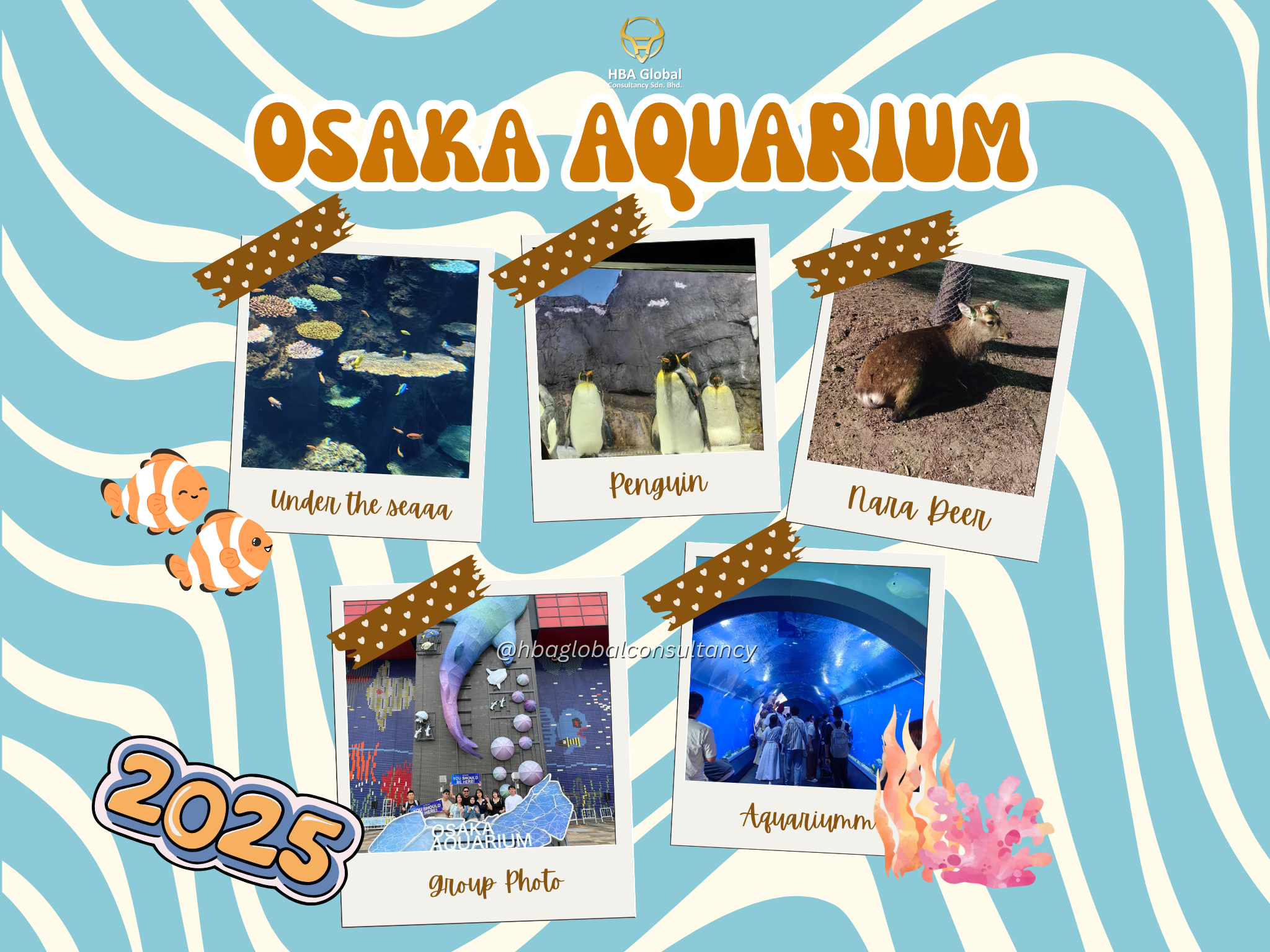
From the vibrant streets of Osaka to the cultural beauty of Kyoto’s Fujimi Inari Shrine, every destination brought new inspiration and memorable moments. The team also enjoyed exciting attractions such as Universal Studios Japan and the Osaka Aquarium, creating a perfect balance of adventure and relaxation.
More than just a trip, it was an opportunity for our team to connect on a deeper level — strengthening relationships, building trust, and celebrating the journey we’ve grown through together.
At HBA, we believe that rewarding our team and creating meaningful experiences is part of building a strong and motivated workplace. These shared memories not only refresh our minds but also bring us back with renewed energy and stronger unity.
Here’s to more milestones, more adventures, and continuing to grow together as one HBA team 🇯🇵✨
#HBATrip #CompanyTrip #TeamBonding #WorkHardPlayHard #HBACulture #JapanTrip #Osaka #Kyoto


🍽️ July Potluck Gathering – After Peak Season
A Well-Deserved Break to Celebrate Together
After a demanding peak season, the HBA team took a moment to pause, recharge, and celebrate with a Potluck Gathering in July 2025.
Team members came together, each bringing their own homemade or favorite dishes, creating a table filled with variety, flavors, and shared effort. It wasn’t just about the food — it was about the laughter, the stories, and the sense of accomplishment after weeks of hard work.
The gathering provided a perfect opportunity for everyone to unwind, reconnect, and appreciate one another beyond daily tasks and deadlines. It reminded us that while we strive for excellence in our work, the relationships we build along the way are just as important.
At HBA, we believe in celebrating both our achievements and our people. Moments like these reflect our “Work Hard, Play Hard” culture — where dedication is matched with meaningful downtime and team bonding.
Here’s to recharging together and coming back even stronger 💪✨
#HBAActivities #TeamBonding #WorkHardPlayHard #HBACulture #PotluckParty #AfterPeakSeason

In May 2025, our HBA team stepped out of the office and into an exciting outdoor experience at Penang X Archery. This activity was more than just a fun outing—it was a chance for our team to challenge themselves, build focus, and strengthen team bonds in a whole new environment.
From first-timers to quick learners, everyone embraced the experience with enthusiasm. Laughter, friendly competition, and shared encouragement filled the session as team members took aim and celebrated each shot—hit or miss.
Activities like these remind us that growth doesn’t only happen at our desks. It happens when we step outside our comfort zones, support one another, and enjoy the journey together.
Here’s to building stronger connections, sharper focus, and many more memorable moments as one HBA team! 🎯
#HBAActivities #TeamBonding #WorkHardPlayHard #HBACulture #PenangEvents #ArcheryExperience

June hits different when the HBA team showed up at Penang Pacific Megamall for an action-packed Gel Ball session 🔥
Vest on ✅
Blaster ready ✅
Team spirit 100% ✅
From hiding behind walls to full-on attack mode, everyone went ALL IN — dodging, aiming, and laughing non-stop 🤣
Some came for fun… some came to win 👀
Let’s just say — teamwork, strategy, and a bit of chaos made it one of the most unforgettable sessions 💯
Because at HBA, we don’t just work hard…
we play even harder 😎
#HBAActivities #WorkHardPlayHard #TeamBonding #HBACulture #GenZWorkplace #PenangLife #GelBall

In March 2025, the HBA team came together for a meaningful Buka Puasa gathering, celebrating the spirit of Ramadan with unity, gratitude, and togetherness.
As the sun set, we shared a meal to break fast, creating a warm and welcoming atmosphere where team members of different backgrounds could connect and appreciate the significance of this special time. The evening was filled with laughter, conversations, and a strong sense of camaraderie.
Beyond the meal, it was a moment for us to slow down, reflect, and strengthen the bonds that make our team more than just colleagues — but a supportive and inclusive family.
At HBA, we believe that embracing diversity and celebrating cultural moments together is what builds a stronger, more connected workplace.
Here’s to more shared experiences and meaningful moments as one team 🌙✨
#HBAActivities #TeamBonding #Ramadan #BukaPuasa #HBACulture #WorkplaceUnity #PenangEvents

HBA Global Consultancy Sdn. Bhd. is pleased to establish an industry collaboration with IPK College as part of our shared commitment to talent development and practical learning.
At HBA Global, we believe that education and industry should work hand in hand. Through this collaboration, we hope to provide students with better exposure to the working world and help bridge the gap between academic learning and real business practice.
As an industry partner, HBA Global welcomes opportunities to support students through practical learning experiences, especially in areas related to accounting, taxation, business compliance, and workplace readiness.
We believe that exposure to a real working environment can help students better understand:
how businesses operate in practice
the importance of professional communication and responsibility
the skills and mindset needed in today’s working world
One of the key areas of this collaboration is internship exposure. At HBA Global, we aim to provide students with a more meaningful internship experience by allowing them to learn from actual business operations and industry practices.
Through internship opportunities, students may gain:
practical exposure to office operations and professional working culture
guidance from experienced team members
a better understanding of how knowledge learned in class applies in the workplace
At HBA Global, we value young talent who are willing to learn, grow, and contribute. We see industry-academia collaboration as an important step in preparing students for future career opportunities.
We appreciate the opportunity to collaborate with IPK College and look forward to a positive and meaningful partnership.
We hope this collaboration will create more opportunities for knowledge sharing, student exposure, and closer connection between education and industry in the future.
To learn more about IPK College, please visit their official website:
https://www.ipk.edu.my
中了 Jackpot / Toto,很多人的第一反应除了开心之外,就是:
在马来西亚,如果是通过合法及持牌渠道购买的彩票或博彩票券,中奖所得在很多情况下并不一定会被视为一般所得税收入。
不过,这并不代表你中奖了之后就什么都不用管。
因为从税务、银行记录、资金来源解释的角度来看,
“这笔钱从哪里来” 仍然是一件很重要的事。
一般来说,如果你是通过 合法及持牌的营运商 购买彩票或博彩票券,
这类中奖收入通常 不会像薪水、佣金或生意收入那样,直接被视为一般应税收入。
也就是说:
但这里有一个很重要的前提:
奖金来源必须清楚、合法,而且有记录可证明。
虽然很多情况下这类奖金 未必会直接被当成一般所得税处理,
但如果未来银行、审查、资金来源调查,甚至其他合规要求出现时,你还是可能需要解释:
这笔钱从哪里来?
为什么会突然有一笔大额资金进账?
是否有正式中奖证明?
所以,记录保留非常重要。
为了避免未来解释资金来源时遇到麻烦,建议你在兑奖后保留以下资料:
彩票 / Toto 票券正本
购票收据(如有)
奖金领取证明 / 奖金申领文件
支票副本或兑奖资料
银行入账记录 / 银行交易记录
其他相关支持文件
这些资料将有助于你在未来需要时,清楚证明:
很多人会误以为:
“反正我中了奖,钱进银行就好了。”
但实际上,若你账户突然收到一笔大额资金,
银行或其他机构未来有可能要求你解释:
资金来源
入账原因
是否有相关证明文件
所以,即使不一定是税务问题,也可能是资金来源证明问题。
这一点非常重要。
如果你的彩票 / 博彩行为并不是通过 合法持牌营运商 进行,
那么问题就不只是:
“这笔奖金要不要交税?”
而是还可能涉及:
合法性问题
资金来源风险
合规与审查问题
所以,在讨论奖金是否需要报税之前,
第一件要确认的事情是:
不一定。
很多人会把以下这些情况都当成“中奖”:
Lucky Draw 抽奖奖品
比赛奖金
活动奖励
业绩奖励
Campaign 奖励金
但实际上,这些项目的税务处理 不一定完全一样。
是否需要进一步判断,通常要看:
奖金的性质
是否与工作 / 业务有关
是否带有商业性质
是否属于持续性收入
所以:
简单来说:
很多情况下中奖所得 并不一定会像一般收入那样被征税。
但真正聪明的做法,不是只问:
“要不要交税?”
而是要进一步确保:
✔ 奖金来源合法
✔ 文件记录完整
✔ 银行入账有迹可循
✔ 未来需要解释时,有证据支持
不一定。
如果是通过 合法持牌渠道 购买的彩票或博彩票券,中奖所得在很多情况下 并不会像薪资或生意收入那样直接被视为一般应税收入。
因为未来若银行或其他机构要求你解释资金来源时,
你需要有资料证明这笔钱是 合法中奖所得。
建议保留:
彩票 / Toto 票券
购票收据
奖金领取证明
支票资料
银行入账记录
其他相关文件
不一定。
不同类型的奖金、奖励或奖品,
其税务处理可能会因为性质不同而有所差异,
不能一概而论。
不一样。
如果并非通过 合法及持牌营运商 购买,
问题就不只是税务,而可能涉及 合法性与资金来源风险。
有可能。
尤其是金额较大时,
银行或其他机构可能会要求你说明资金来源,
所以保留兑奖和入账证明非常重要。
Winning a Jackpot or Toto prize can be exciting — and one of the first questions many people ask is:
In many cases, not necessarily.
If the lottery or betting ticket was purchased through a legal and licensed operator in Malaysia, the prize money is generally not treated as taxable employment or business income in the usual sense.
However, this does not mean you can simply ignore all documentation after receiving the prize.
As a general understanding, winnings from legal lottery or gaming activities are often not treated as normal taxable income, provided that:
The ticket was purchased through a legal and authorised operator
The winnings are from a legitimate prize claim
There is clear proof of source of funds
This means that although the winnings may not automatically be taxed like salary or business income, proper records are still important.
To avoid future issues — especially when explaining a sudden inflow of funds into your bank account — it is advisable to keep proper documentation.
Original lottery ticket
Purchase receipt (if available)
Prize claim form or claim confirmation
Cheque details or payout confirmation
Bank transaction / credit entry record
Any other supporting documents related to the prize
These documents can be useful if you ever need to explain the source of funds for banking, compliance, or audit-related purposes.
Even if the winnings are not taxed in the normal sense, financial records still matter.
For example, if a large amount is credited into your bank account, you may later be asked to explain:
Where the money came from
Whether the source is legitimate
Whether there are supporting documents
Having clear proof will make the process much easier and help avoid unnecessary complications.
This point is very important.
If the bet or ticket was placed through an illegal, unlicensed, or unauthorised operator, the issue is no longer only about tax treatment.
In such situations, there may be:
Legal risks
Compliance concerns
Difficulty proving the legitimacy of the source of funds
So before discussing whether the winnings are taxable, the first question should always be:
It is also important to note that not every prize or reward is treated the same way.
Certain types of:
Lucky draw prizes
Competition winnings
Campaign rewards
Incentive-based prizes
may need to be assessed based on their nature and surrounding circumstances.
This means they should not always be automatically treated the same way as Toto or Jackpot winnings.
Winning a legal Jackpot or Toto prize in Malaysia does not automatically mean you need to pay income tax in the usual sense.
But what matters just as much is this:
Because if you cannot explain the source of funds later, it may create unnecessary issues.
✔ Buy only through legal operators
✔ Keep your ticket and claim documents
✔ Keep clear bank transaction records
✔ Do not assume all prizes are treated the same way
Not necessarily.
If the ticket was purchased through a legal and licensed operator, the winnings are generally not treated in the same way as normal employment or business income in many situations.
However, the tax treatment may depend on the nature and source of the prize, so proper documentation is still important.
Because even if the winnings are not taxed in the usual sense, you may still need to explain the source of funds in the future.
This can become relevant for:
Bank reviews
Financial due diligence
Compliance checks
Other supporting purposes
Keeping proper records helps avoid unnecessary complications later.
It is advisable to keep:
Original lottery or betting ticket
Purchase receipt (if available)
Prize claim form or claim confirmation
Cheque details or payout confirmation
Bank transaction / credit entry record
Any other supporting documents
These documents can help prove that the funds came from a legitimate prize claim.
No.
Not every prize or reward is treated the same. For example:
Jackpot / Toto winnings
Lucky draw prizes
Competition winnings
Campaign rewards
Incentive-based prizes
may be treated differently depending on the nature of the income and surrounding circumstances.
So they should not always be assumed to follow the same tax treatment.
That is a different issue altogether.
If the ticket or bet was placed through an illegal, unauthorised, or unlicensed channel, the concern is no longer only about tax treatment.
It may also involve:
Legal risk
Source-of-funds issues
Compliance concerns
This is why it is important to ensure that any ticket is purchased through a legal and licensed operator.
Yes, potentially.
If a large amount is credited into your bank account, the bank or another institution may ask you to explain:
Where the funds came from
Why the amount was received
Whether supporting documents are available
This is why proper record keeping is strongly recommended.
Not always.
Lucky draw prizes, competition winnings, campaign rewards, or incentive-based prizes may need to be reviewed separately based on:
The nature of the reward
Whether it is linked to business or employment
Whether it forms part of income-generating activity
They should not always be automatically treated the same way as Jackpot or Toto winnings.
The safest approach is to:
✔ Ensure the ticket or entry was obtained legallyA Practical Guide to Reducing Expenses & Boosting Profits
By HBA Global Consultancy Sdn. Bhd.
Operating costs for businesses in Malaysia continue to rise — rental, salaries, software subscriptions, and marketing expenses are putting increasing pressure on SMEs.
Many business owners are busy running daily operations, yet overlook one crucial question:
Where exactly is your money going — and which costs can be reduced or optimized?
This eBook is designed to help SME owners clearly understand their cost structure and apply five practical strategies to reduce unnecessary expenses while improving operational efficiency and profitability.
Whether you are a startup, a growing SME, or an established business, these insights are actionable and immediately applicable.
(The Foundation of Cost Reduction)**
You cannot reduce costs effectively if you do not understand them.
The first step is to analyze your company’s cost behavior.
Cost behavior refers to how costs change in relation to business activity or sales volume.
Costs are generally classified into three categories:
These costs remain unchanged regardless of business volume:
Office rental
Management salaries
Accounting and audit fees
Insurance
Depreciation
Subscription-based software
Key characteristic:
Total fixed costs stay constant within a relevant range, but unit cost decreases as output increases.
These costs fluctuate directly with business activity:
Raw materials
Direct labor (piece-rate)
Packaging costs
Sales commissions
Delivery and logistics
Key characteristic:
Variable costs change in proportion to sales or production volume.
These contain both fixed and variable elements:
Utilities (electricity, water, internet)
Telephone bills
Outsourcing fees
Usage-based software subscriptions
Types of mixed costs:
Semi-variable costs – fixed base cost + variable usage
Step-fixed costs – costs increase in stages when capacity thresholds are exceeded
Review your Profit & Loss Statement and Balance Sheet (last 6–12 months)
Categorize all expenses into fixed, variable, or mixed
Identify the top three highest expenses and ask:
✔ Is this cost necessary?
✔ Can it be reduced or replaced?
✔ Can it be outsourced?
✔ Can it be automated?
This step alone can uncover significant savings opportunities.
Doing More with Less Cost**
One of the biggest cost burdens for SMEs is hiring unnecessary full-time staff.
In reality, many tasks do not require permanent employees.
Social media content creation
Accounting & bookkeeping
Payroll processing
Administrative support
Customer service (especially e-commerce)
Graphic design
Video editing
IT support
Digital advertising management
Comparison: Full-Time Employee vs Outsourcing
Key benefits of outsourcing:
No long-term fixed cost commitment
Immediate access to skilled professionals
Internal resources can focus on core business activities
Are You Paying for Tools You Don’t Use?**
Many SMEs unknowingly waste money on unused or overlapping software subscriptions.
List all subscriptions, including:
Accounting systems
HR software
CRM platforms
Marketing tools
Cloud storage
Design tools
Then evaluate each:
✔ Is it actively used?
✔ Can you downgrade or switch to annual plans?
✔ Is there a free alternative?
✔ Are multiple tools serving the same purpose?
✔ Can user seats be reduced?
Paid tools with minimal usage
Duplicate CRM or marketing platforms
Multiple cloud storage subscriptions
Overlapping design or productivity tools
Potential savings:
SMEs typically save RM180–RM800 per month after a proper software audit.
A Smarter Way to Reduce Rental Costs**
Office rental is often one of the largest fixed expenses for SMEs.
However, many businesses:
✔ Do not require a physical office daily
✔ Can operate remotely
✔ Only need a registered business address
A virtual office provides:
A registered business address
Mail handling services
Access to meeting rooms (as needed)
Cost comparison:
Virtual office: RM39–RM129 per month
Physical office: RM1,200–RM3,000+ per month
Startups
Freelancers
Service-based businesses
Online sellers
Consultants and professionals
Replacing Repetitive Work with Systems**
Principle:
Repetitive tasks should be handled by systems.
Decision-making should be handled by people.
Automated email campaigns
Scheduled social media posts
Customer follow-ups
Invoice generation
Employee onboarding
Leave applications
Quotation and approval workflows
24/7 customer support
Faster response time
Reduced manpower cost
Higher conversion rates
Automated invoicing can reduce 50% of admin workload
Chatbots can reduce up to 30% of customer service costs
This publication is intended for general informational purposes only. Its application depends on individual business circumstances. Readers are advised to seek professional advice before making business decisions. HBA Global Consultancy Sdn. Bhd. shall not be held responsible for any loss arising from reliance on this content.
HBA Global Consultancy Sdn. Bhd. provides professional accounting, tax, and business advisory services to SMEs in Malaysia.
📍 Website: www.yourhba.com
📧 Email: admin@yourhba.com
📱 WhatsApp: 014-342 2168
降低开销、提高利润的实用指南
HBA Global Consultancy Sdn. Bhd.
在马来西亚,企业经营成本正不断上升。租金、薪资、软件订阅费、营销费用…… 许多老板忙着做生意,却忽略了最重要的事情之一:
你的钱到底花去哪里?哪些可以减少?哪些应该优化?
本 eBook 将带你以最简单、最实用的方式,理解你的成本结构,并学会 5 个真正能为你省钱、提升效率的方法。
无论你是刚创业、经营多年,或正在扩张,都能从中找到立即可执行的方向。
(成本削减的第一步)
如果不清楚钱花在哪里,你永远无法省钱。
第一步就是 分析你公司的成本习性(Cost Behavior)。
成本习性指的是:
你的成本会不会随着业务量变化而改变?
成本分为 3 大类:
不管你有没有做生意,这些费用都要付:
租金
管理层工资
审计费 / 会计费
保险
折旧
订阅型软件(如系统、云端、服务)
📌 特点:
总额固定
随产量增加,单位成本会下降
业务越多,成本越高。业务越少,成本越低。
例如:
直接材料
直接人工(计件制)
包装费
佣金
运费
📌 特点:
与业务量成正比例变化
既有固定,又会随着业务变动:
水电费
电话费
外包费用
某些系统按照“基础费 + 用量收费”
📌 分两种:
有固定起始费用,之后按使用增加。
阶梯式增加。例如:
员工超过 10 人 → 需升级更贵 HR 系统。
看过去 6–12 个月数据。
✔ 是否必要?
✔ 是否有价格更低的替代?
✔ 是否能外包?
✔ 是否能自动化?
✔ 是否能减少浪费?
这是全书最重要的步骤。
很多 SME 花最多钱的地方是 ——
请了不需要的全职员工。
其实,有些工作完全不需要全职职位。
✔ 社交媒体文案
✔ 会计记账(Accounting)
✔ 薪资计算
✔ 行政助理
✔ 客服(尤其网卖)
✔ 设计
✔ 视频编辑
✔ IT 支援
✔ Facebook / Google 广告管理
企业选择外包的 3 大原因:
任务做完,就停止支付。
不用重新培训。
老板专注业务增长,而不是自己做文案、算工资。
很多企业不知道自己每个月被软件订阅“偷钱”。
列出你企业所有软件:
✔ 会计系统
✔ HR 系统
✔ CRM 系统
✔ Marketing 工具
✔ 云端储存
✔ 电商工具
✔ 设计工具
然后逐一问:
付费版本 Canva / CapCut,但只用基本功能
两个 CRM,但只用一个
没在用的 HR 系统
三个文件储存账号:Google / Dropbox / OneDrive
Marketing 工具重复收费
💰 平均 SME 每月可节省:
RM180–RM800 软件费
办公空间是 SME 最大的固定成本之一。
但实际上:
✔ 很多岗位可以远程
✔ 很多行业不需要实体店面
✔ 创业初期压力不应来自租金
你不必真正租下一个办公室,
只需要合法的商业地址即可。
你获得:
✔ 商业地址
✔ 信件代收
✔ 会客空间(按次使用)
✔ 公司注册可用地址
费用却只是:
VS
RM1,200–RM3,000 实体办公室月租**
✔ 刚创业者
✔ Freelancer
✔ 小型商家
✔ 做服务业(会计、设计、顾问)
✔ 网卖团队
✔ 不需要实体空间的人
关键概念:
重复的事 → 系统做
需要判断的事 → 人做
自动发送 email
自动发布社媒
自动跟进客户
例如:Mailchimp、Hubspot、Zoho
适合处理:
✔ Invoice 自动生成
✔ 员工入职
✔ Leave Form
✔ 报价单
✔ 采购单
✔ 文件审批流程
好处:
✔ 24/7 回复
✔ 减少客服人力
✔ 提升转换率
✔ 自动回答 FAQ
使用自动发票系统:
✔ 省下 50% 行政时间
✔ 减少出错率
使用 Chatbot:
✔ 减少 30% 客服成本
(我保持你原来的,但重写成更简洁专业)
本出版物仅用于一般性指导,内容的适用性将视不同企业状况而定。读者应就个别问题寻求适当专业意见。本书内容若有疏漏或导致损失,HBA Global 概不负责。
由 HBA Global Consultancy Sdn. Bhd. 在马来西亚出版发行
版权所有 · 未经允许不得转载
📍 Website:yourhba.com
📧 Email:admin@yourhba.com
📱 WhatsApp:014-342 2168