Malaysia National Day 2026: 4 Key Government Measures Malaysian SMEs and Business Owners Should Know
Published: September 2026
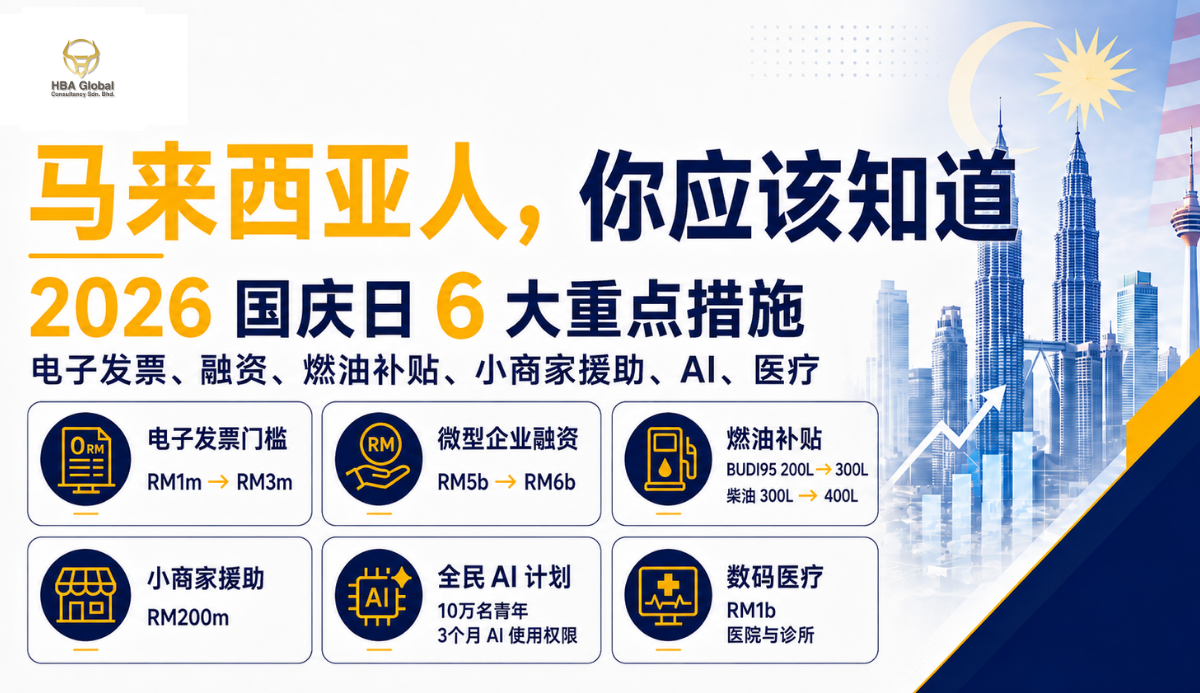
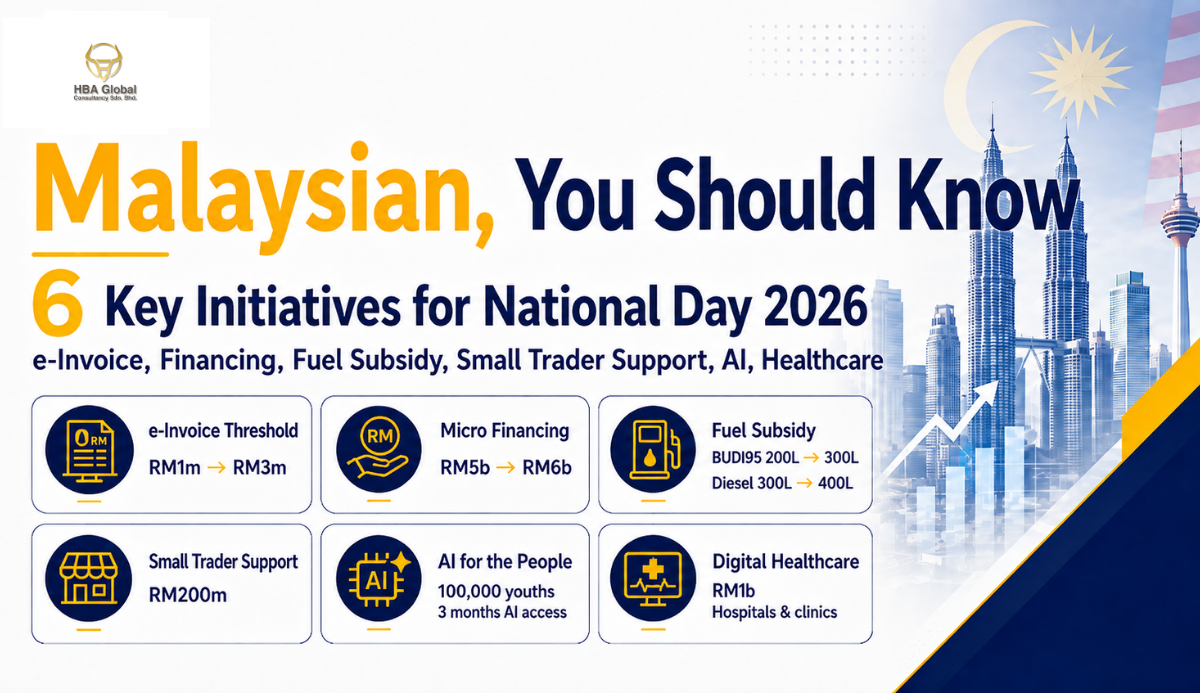
In conjunction with Malaysia’s 2026 National Day, Prime Minister Datuk Seri Anwar Ibrahim announced a series of immediate measures aimed at easing cost-of-living pressures while providing additional support to businesses and the wider public.
The measures, which took effect from 1 September 2026, cover areas including fuel subsidies, e-Invoice requirements, microfinancing, support for small traders, school maintenance, artificial intelligence and public healthcare digitalisation.
For Malaysian SMEs, microbusinesses and small traders, several of these announcements could have a direct impact on compliance costs, access to financing and day-to-day operating expenses.
Here are four of the most important changes business owners should know.
1. e-Invoice Exemption Threshold Increased from RM1 Million to RM3 Million
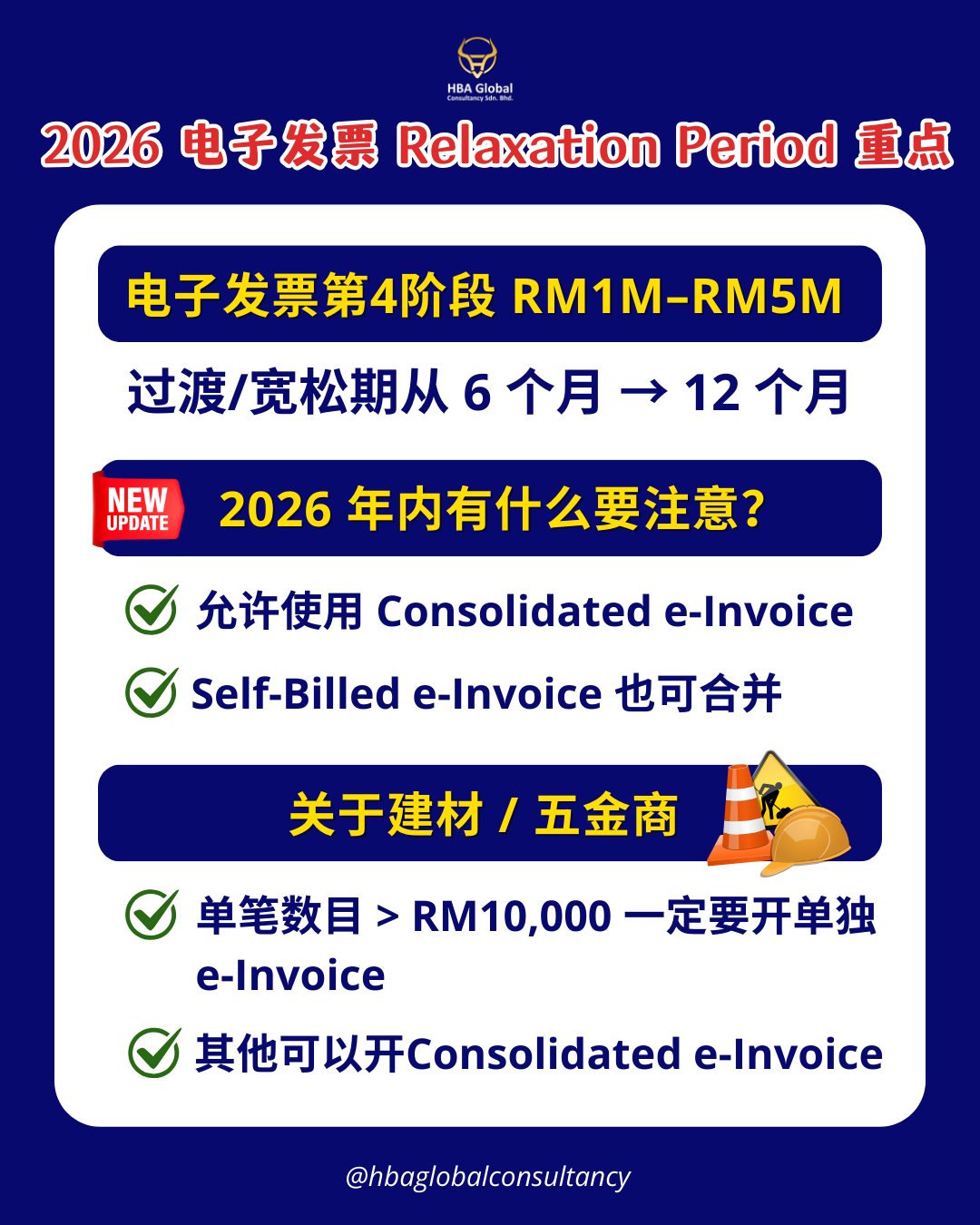
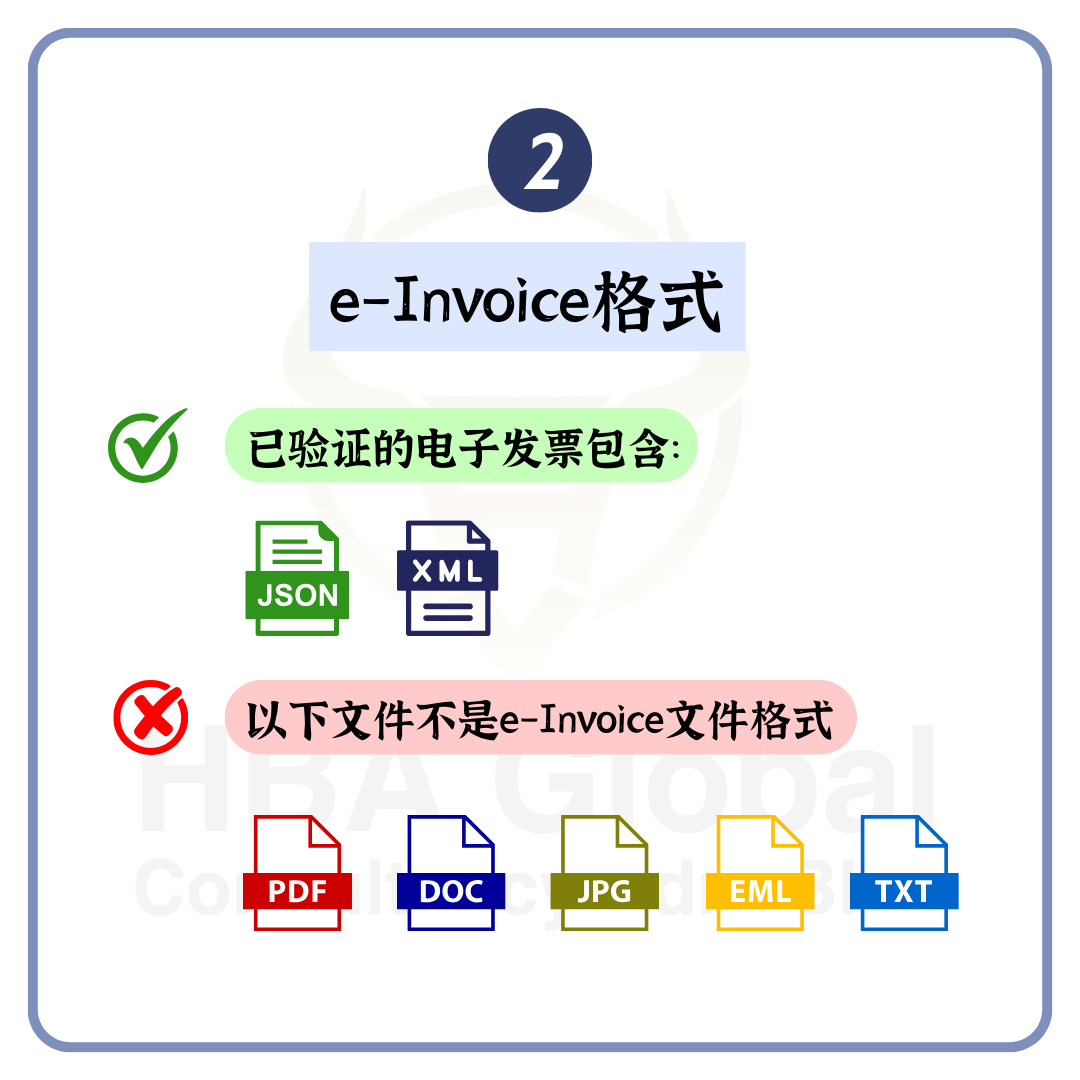
One of the biggest announcements for Malaysian SMEs is the revision of the e-Invoice exemption threshold.
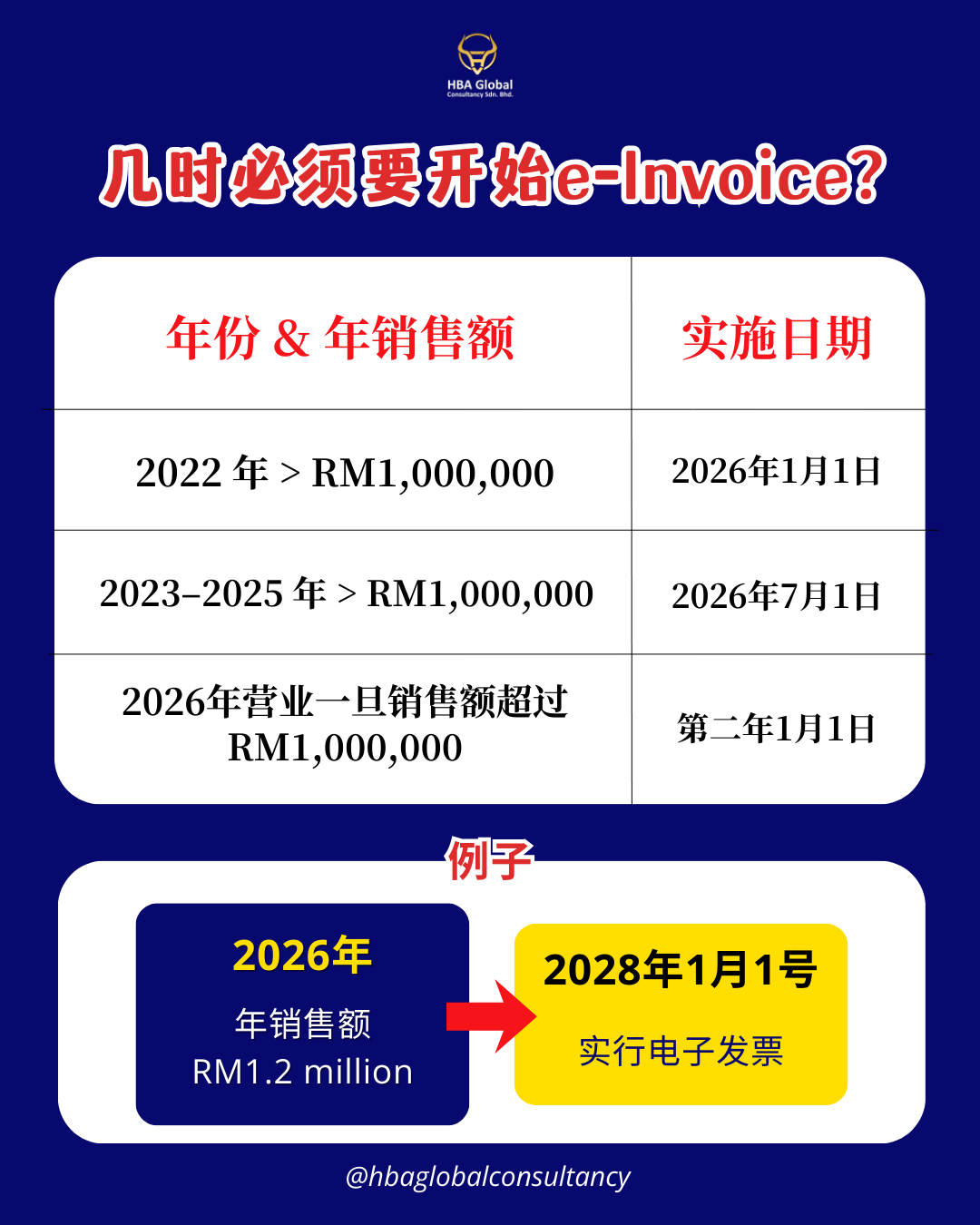
Previously, businesses with annual sales above RM1 million would fall within the implementation requirement.
Under the latest announcement, the exemption threshold has been increased to:
e-Invoice Exemption Threshold RM1 million → RM3 million. |
Annual Sales of Up to RM3 Million
Businesses with annual sales not exceeding RM3 million will be exempted from the mandatory implementation of e-Invoice under the newly announced threshold.
This change is expected to benefit approximately 1.1 million businesses.
What Does This Mean for SMEs?
For smaller businesses, implementing e-Invoice may involve more than simply issuing invoices electronically.
Businesses may need to:
Upgrade accounting or POS systems
Review invoicing processes
Train employees
Organise customer and supplier information
Integrate accounting systems with e-Invoice requirements
Improve bookkeeping and transaction records
The higher exemption threshold therefore gives many smaller businesses more breathing room to strengthen their internal accounting processes before e-Invoice becomes relevant to them.
However, being exempted from mandatory e-Invoice does not mean businesses should ignore proper record-keeping.
Accurate accounting records, supporting documents and tax compliance remain important regardless of whether a business is currently required to implement e-Invoice.
2. Microfinancing Support Increased from RM5 Billion to RM6 Billion
The Government also announced an additional RM1 billion in microfinancing facilities, bringing the total available funding for 2026 from:
Microfinancing Support RM5 billion → RM6 billion. This initiative is particularly relevant to micro and small businesses that may require financing for: |
Working Capital
Businesses may require additional cash flow to pay suppliers, salaries, rent and other operating expenses.
Business Expansion
Financing may support businesses planning to open another outlet, increase production capacity or enter a new market.
Equipment and Assets
Businesses may also require funding to purchase machinery, vehicles, technology or other productive assets.
But Business Owners Should Remember: Financing Is Not the Same as Free Money
Access to more financing does not automatically mean every business should borrow.
Before applying for financing, business owners should first understand:
Can the business generate enough cash flow to service the financing?
A company may show accounting profit but still face cash-flow problems.
Therefore, before taking on additional financing, businesses should review their:
Financing should ideally be used to support productive business growth rather than simply covering recurring cash-flow problems.
3. BUDI MADANI Fuel Subsidy Quota Increased
Fuel expenses can represent a significant operating cost for businesses involved in delivery, transportation, sales visits and other vehicle-dependent activities.
From 1 September 2026, the basic monthly eligibility under BUDI MADANI RON95 (BUDI95) was restored from: 200 litres → 300 litres per month |
The Ministry of Finance stated that more than 16 million users benefit from subsidised RON95 at RM1.99 per litre. For eligible private diesel vehicle owners, the BUDI Diesel arrangements were also adjusted.
More than 500,000 eligible owners of private diesel-powered pickup trucks and jeeps may apply for an additional 100 litres per month, bringing their total monthly eligibility from 300 litres to as much as:
BUDI Diesel 300 litres → 400 litres per month |
Those who had previously been approved for the additional 100-litre allocation were automatically adjusted to the 400-litre limit from 1 September 2026.
Why Does This Matter to Small Businesses?
The change may particularly benefit eligible individuals who depend heavily on vehicles for their livelihood, including certain:
Lower fuel costs can help reduce operating pressure, especially for businesses where transportation forms a meaningful part of monthly expenses.
BUDI MADANI Official Portal
4. RM200 Million Geran Sejahtera MADANI for Small Traders
Another business-related announcement is the introduction of the:
RM200 Million Geran Sejahtera MADANI |
The initiative is intended to support smaller operators, including:
Hawkers
Small traders
Night-market traders
Home business
The support is intended to help small businesses, including assistance related to equipment.
This is particularly relevant because many microbusinesses operate on very limited capital.
A new freezer, cooking equipment, business tools, display equipment or other productive assets can represent a significant investment for a small operator.
Support that reduces this upfront burden may allow microbusinesses to improve productivity without placing as much pressure on their existing cash flow.
Important: Wait for the Detailed Application Guidelines
Business owners should avoid assuming that they automatically qualify for the grant.
Eligibility criteria, application procedures, qualifying expenses and other conditions should be checked against the relevant Government agency’s official guidelines once full implementation details are released.
Other Measures Announced During the 2026 National Day Address
Although the four measures above are particularly relevant to businesses, the Government’s announcement was broader and also included initiatives related to education, youth development and healthcare.
School Maintenance Allocation Increased
The Government announced that the allocation for maintenance across all types of schools would increase by 50%, from:
RM1 billion → RM1.5 billion for 2027
The allocation covers various school streams, including national schools, Chinese and Tamil national-type schools, religious schools, tahfiz and pondok institutions, as well as special education.
The Government intends for infrastructure repair applications to be reviewed earlier so that maintenance work can begin as early as January 2027.
AI for the People Programme for Malaysian Youths
Another initiative focuses on helping younger Malaysians gain exposure to artificial intelligence.
The AI for the People programme is open to Malaysians aged 18 to 30.
Under the announced initiative, an initial 100,000 youths who complete the prescribed modules will receive three months of free access to selected AI applications.
While this is not directly an SME financial assistance programme, increasing AI literacy among younger Malaysians could eventually benefit employers as digital and AI-related skills become increasingly relevant in the workplace.
RM1 Billion to Strengthen Digital Healthcare
The Malaysian Communications and Multimedia Commission (MCMC) will also provide RM1 billion to strengthen digital efficiency in Malaysia’s public healthcare system.
The initiative includes the implementation of Electronic Medical Records (EMR) and improved internet connectivity across:
150 hospitals and more than 2,000 public health clinics.
The broader objective is to improve digital infrastructure and efficiency across public healthcare services.
SUMMARY
Measure | Latest Announcement | Who May Benefit? |
e-Invoice | Exemption threshold increased from RM1m to RM3m annual sales | SMEs & smaller businesses |
Microfinancing | RM5b → RM6b | Micro & small businesses |
BUDI95 | 200L → 300L monthly basic eligibility | Eligible Malaysians |
BUDI Diesel | Eligible pickup/jeep owners may reach 400L with additional 100L allocation | Eligible diesel vehicle owners |
Geran Sejahtera MADANI | RM200m | Hawkers, small traders, night-market & home-based businesses |
School Maintenance | RM1b → RM1.5b for 2027 | Schools & students |
AI for the People | 100,000 youths targeted for three-month AI application subscriptions | Malaysians aged 18–30 |
Healthcare Digitalisation | RM1b | Public hospitals & clinics |
The initiatives were announced as part of the Government’s immediate response to cost-of-living and business pressures, with the measures taking effect from 1 September 2026, subject to the implementation details of each programme.
What Should Malaysian Business Owners Do Now?
For SME owners, the most important takeaway is not simply that “more assistance is available.”
The announcements affect three important areas of business management:
1. Compliance
If your annual sales are around RM1 million to RM3 million, review how the latest e-Invoice threshold affects your implementation timeline and obligations.
2. Cash Flow & Financing
If your business is considering expansion, equipment purchases or additional working capital, keep an eye on the latest microfinancing facilities and their eligibility requirements.
3. Operating Costs
Businesses that rely heavily on vehicles should review whether they or their eligible vehicle owners qualify for the revised BUDI MADANI arrangements.
Meanwhile, micro and home-based businesses should monitor the application details for Geran Sejahtera MADANI once the relevant authorities release the full guidelines.
Government Support Helps. But Strong Financial Management Still Matters
Government incentives, grants and financing can help reduce business pressure, but they should not replace good financial management.
Business owners still need to understand:
How much is the business actually making?
Where is the cash going every month?
Is the business tax-compliant?
Can the company afford additional financing?
Is the accounting system ready as the business grows?
When will the business eventually fall within e-Invoice or other compliance requirements?
As a business grows, proper accounting, tax planning and cash-flow management become increasingly important.
At HBA Global Consultancy, we support Malaysian businesses in areas including accounting, taxation, e-Invoice, company secretarial matters and business advisory.
If you are unsure how the latest Government measures may affect your business, speak to our team to understand what applies to your situation.
Disclaimer
This article is provided for general informational purposes only and does not constitute financial, tax, legal or professional advice.
Government grants, subsidies, financing programmes and regulatory requirements may be subject to eligibility criteria, application periods, implementation guidelines and subsequent amendments. Businesses should refer to the latest information issued by the relevant Malaysian Government ministries and agencies before making financial or business decisions.
Information in this article is based on announcements and official information available as of September 2026.
Sources: https://www.pmo.gov.my/ms/ucapanterkini/teks-ucapan-verbatim-yab-perdana-menteri-majlis-amanat-perdana-hari-kebangsaan-tahun-2026/